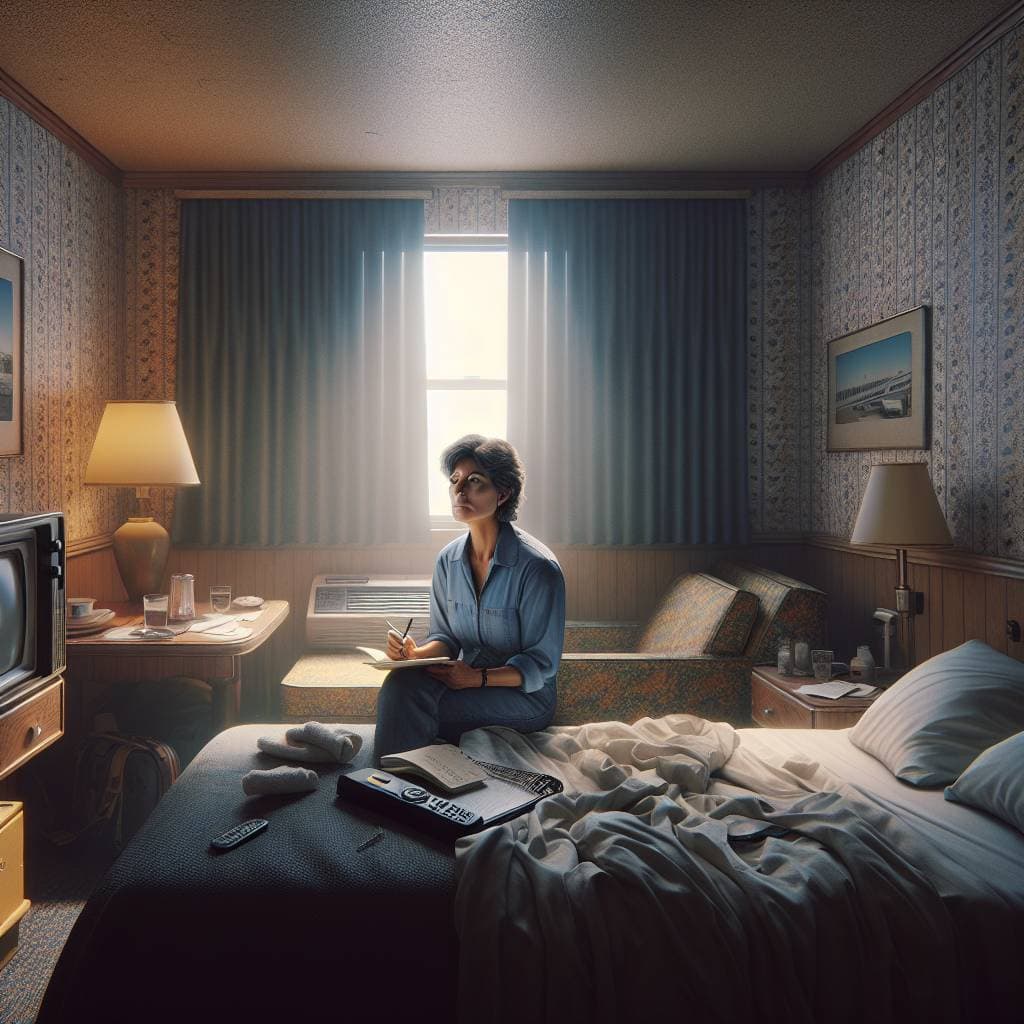
I once found myself in a dingy airport hotel room, the kind where the wallpaper peels in surrender and the TV remote has seen better days. My flight had been delayed, my patience shot, and there I was, a reluctant prisoner of circumstance. But amid the chaos, inspiration hit me like a poorly timed text from an ex. This dull, uninspiring space became the backdrop for my most creative epiphany. I realized that sometimes, you need to shake up your environment to shake the cobwebs off your brain. It’s a paradox, really. The mundane can be the ultimate muse if you let it.
So, what am I getting at? Well, this article is your ticket out of the creative rut. I’m going to dive into why travel isn’t just a luxury but a necessity for anyone tired of the same old mental playlist. We’ll talk about finding inspiration in unexpected places, how shifting your perspective can light a fire under your creativity, and why blending business with leisure—yeah, “bleisure”—isn’t just corporate jargon but a survival tactic. If you’ve ever felt like your mind is stuck in neutral, then buckle up. This is your roadmap to creative freedom.
Table of Contents
How A Jet Lagged Mind Found New Sparks of Inspiration
Jet lag is a cruel mistress. You land in a new city, your body clock a jumbled mess, and all you can think about is how desperately you want to crawl into bed. But here’s the kicker—sometimes, that disoriented state is precisely what your brain needs to shake off the cobwebs. When you’re too tired to overthink, that’s when the magic happens. It’s like your mind is forced to hit pause on its usual playlist of mundane worries and hit shuffle instead. Suddenly, you’re not just seeing the Eiffel Tower or the bustling streets of Tokyo; you’re experiencing them, raw and unfiltered. Your brain is too exhausted to put up its usual defenses, letting the colors, smells, and sounds seep in and spark something new.
The beauty of travel is that it forces you out of your comfort zone, whether you like it or not. And when you’re jet-lagged, you can’t help but let go of control. It’s like a hard reset on your creativity. Just when you think you’re too burnt out to think straight, you find yourself struck by an idea while sipping an espresso at a Parisian cafe or watching the sunrise over the Sydney Opera House. You become a sponge, soaking in the unfamiliar and squeezing out inspiration from every corner. The concept of “bleisure”—a blend of business and leisure travel—fits perfectly here. You’re not just breaking the monotony by ticking off work tasks in a new location; you’re fueling your creative engine with the kind of experiences that keep your mind from rusting over. Who knew exhaustion could be the key to unlocking a treasure chest of ideas?
Wandering Minds Find New Pathways
Travel isn’t just a change of scenery; it’s a jolt to the creative system. It tears down mental barriers and builds new perspectives from the rubble.
Travel: The Unlikely Muse
It’s funny how stepping away from the mundane can ignite a fire in the mind—one that was smoldering under the weight of routine and predictability. Travel isn’t just a plane ticket to another location; it’s a passport to a different mindset. Every journey adds a layer to my perspective, peeling back the layers of complacency and unveiling something raw and untapped. I used to think burnout was inevitable, a byproduct of adult life. But then, I realized it’s not about escaping reality; it’s about reshaping it. And travel does that like nothing else.
Bleisure, the buzzword that’s been tossed around like a trendy cocktail at a corporate mixer, has its merits. But let’s call it what it really is: a lifeline. It’s not about blending work and leisure; it’s about embracing the chaos of both worlds. It’s about finding the balance between the rigid and the spontaneous, the expected and the unforeseen. So, if you’re stuck in a rut, maybe it’s time to swap your daily grind for a boarding pass. Because sometimes, the only way to truly see the world—and yourself—is to get lost in it.