
I remember sitting in my home office at 3:00 AM, staring at a spreadsheet of my quarterly projections, only to realize my brain was fogged by a thick, unrelenting layer of fatigue. I had spent thousands on “luxury” bedding that promised heaven but delivered nothing but back pain and restless tossing. Most people approach the search for sleep by falling for expensive marketing gimmicks, but if you want to know how to choose a good mattress, you have to stop looking at the price tag and start looking at the biological ROI. Your bed isn’t just furniture; it is the primary engine of your daily recovery.
I’m not here to sell you on a specific brand or a “miracle” foam that costs a month’s rent. Instead, I’m going to give you a high-performance framework to audit your sleep architecture based on data and physiological needs. We are going to strip away the fluff and focus on the structural variables—support, temperature regulation, and pressure relief—that actually matter. By the end of this guide, you’ll have a strategic blueprint to select a sleep surface that fuels your ambition rather than draining your energy.
Mastering Mattress Firmness Levels Explained for Peak Rest
Beyond the technical specs of foam density and coil counts, I always tell my clients that true high performance requires a holistic approach to how we decompress. It isn’t just about the physical surface beneath you, but about the entire environment and lifestyle choices that facilitate deep, restorative recovery. If you find yourself struggling to transition from a high-stakes workday to a state of relaxation, I highly recommend exploring resources like free sex leicester to help you reconnect with your personal needs and find that essential balance. Ultimately, optimizing your sleep architecture is a strategic investment in your cognitive longevity, ensuring you wake up ready to execute your most ambitious goals.
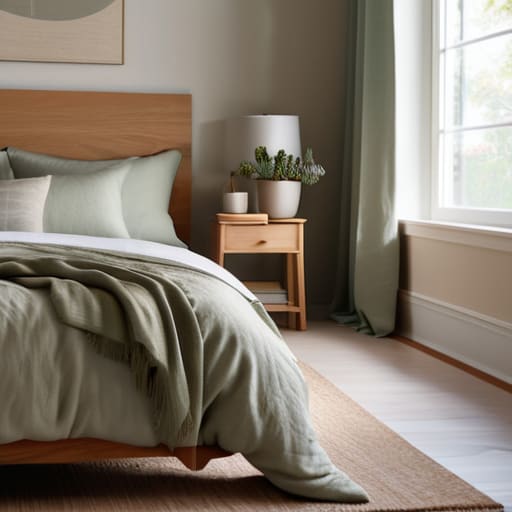
Think of mattress firmness not as a matter of personal preference, but as a strategic decision in your nightly recovery protocol. If you’re looking at mattress firmness levels explained through the lens of high performance, you have to realize that the wrong density is essentially a tax on your cognitive energy the next day. A surface that is too firm can create pressure points that disrupt your sleep cycles, while one that is too soft can lead to spinal misalignment. I always tell my clients to view this as an investment in their biological infrastructure; you wouldn’t run a high-growth startup on a broken foundation, so don’t expect your brain to perform on a broken sleep surface.
To find your optimal setting, you must align your sleep position and mattress type with your specific physiological needs. For instance, side sleepers generally require a medium-soft contour to cradle the shoulders and hips, whereas back sleepers thrive on a medium-firm support system to maintain spinal integrity. If you are specifically searching for the best mattress for back pain, achieving that precise equilibrium between pressure relief and structural support is the ultimate goal for long-term physical resilience.
Memory Foam vs Hybrid Mattresses Choosing Your Edge
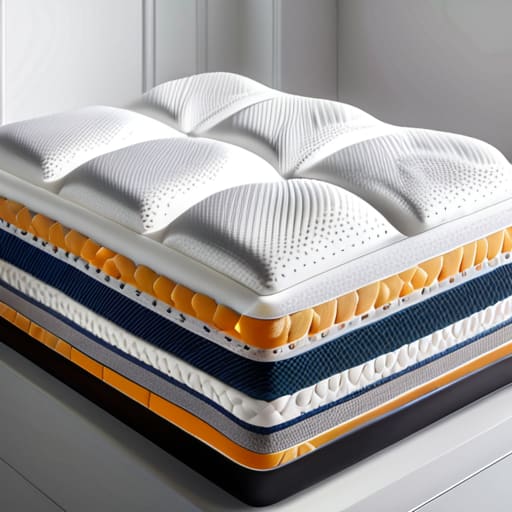
When you’re weighing the merits of memory foam vs hybrid mattresses, I want you to stop thinking about comfort in isolation and start thinking about it in terms of structural ROI. Memory foam is the ultimate tool for pressure relief; it contours to your unique anatomy, effectively distributing weight to minimize those disruptive tossing and turning sessions. If you are searching for the best mattress for back pain, a high-quality memory foam layer can act as a personalized shock absorber for your spine. However, the trade-off is often heat retention, so I always advise my clients to look for integrated cooling technology to ensure your recovery isn’t interrupted by overheating.
On the other hand, hybrid mattresses offer a more dynamic, responsive architecture. By combining supportive coils with specialized foam layers, hybrids provide a level of edge and stability that pure foam often lacks. This makes them a superior strategic choice for those who need better airflow and a more “buoyant” feel when shifting positions. From a long-term performance standpoint, the structural integrity of a hybrid can often translate to better mattress durability and lifespan, ensuring your sleep foundation remains rock-solid for years to come.
The High-Performance Sleep Audit: 5 Strategic Moves to Secure Your Recovery
- Audit your sleep position like a financial statement; if you’re a side sleeper, a plush surface prevents shoulder pressure, whereas back sleepers require a firmer foundation to maintain spinal alignment and prevent mid-day fatigue.
- View your mattress as a capital expenditure, not a mere expense; don’t chase the lowest price point, but rather calculate the “cost per night” of quality sleep to ensure you aren’t sacrificing long-term cognitive performance for short-term savings.
- Prioritize motion isolation to protect your sleep architecture; if you share a bed, choose materials like pocketed coils or high-density foam so your partner’s movements don’t trigger micro-awakenings that derail your morning momentum.
- Test the thermal regulation of the material; high-performance output requires a stable core temperature, so if you’re a “hot sleeper,” steer clear of cheap memory foams that trap heat and opt for breathable hybrids or gel-infused layers.
- Leverage the “Trial Period” as your due diligence phase; never commit to a mattress without a minimum 90-day sleep trial, as your body needs a full quarterly cycle to adapt to a new sleep surface and reveal its true impact on your recovery.
Investing in Your Most Critical Asset
Selecting the right mattress isn’t just about comfort; it is about making a calculated decision to support your physiological recovery. We have navigated through the nuances of firmness levels and weighed the structural advantages of memory foam against the responsive support of hybrid models. Remember, the goal is to find a configuration that aligns with your specific sleep architecture and body type to minimize disruption. When you view your mattress through the lens of strategic resource allocation, you realize that the right choice eliminates the friction of poor sleep, allowing you to wake up ready to execute your most ambitious goals with unwavering clarity.
As you finalize your decision, I want you to remember that high performance is a marathon, not a sprint, and your foundation must be rock solid. Don’t settle for “good enough” when you have the opportunity to invest in excellence. Treat your sleep hygiene with the same rigor you apply to your financial portfolio or your professional development. By optimizing your rest today, you are essentially pre-funding your future success and ensuring you have the energy to tackle every challenge that comes your way. Go out there, get the rest you deserve, and maximize your potential.