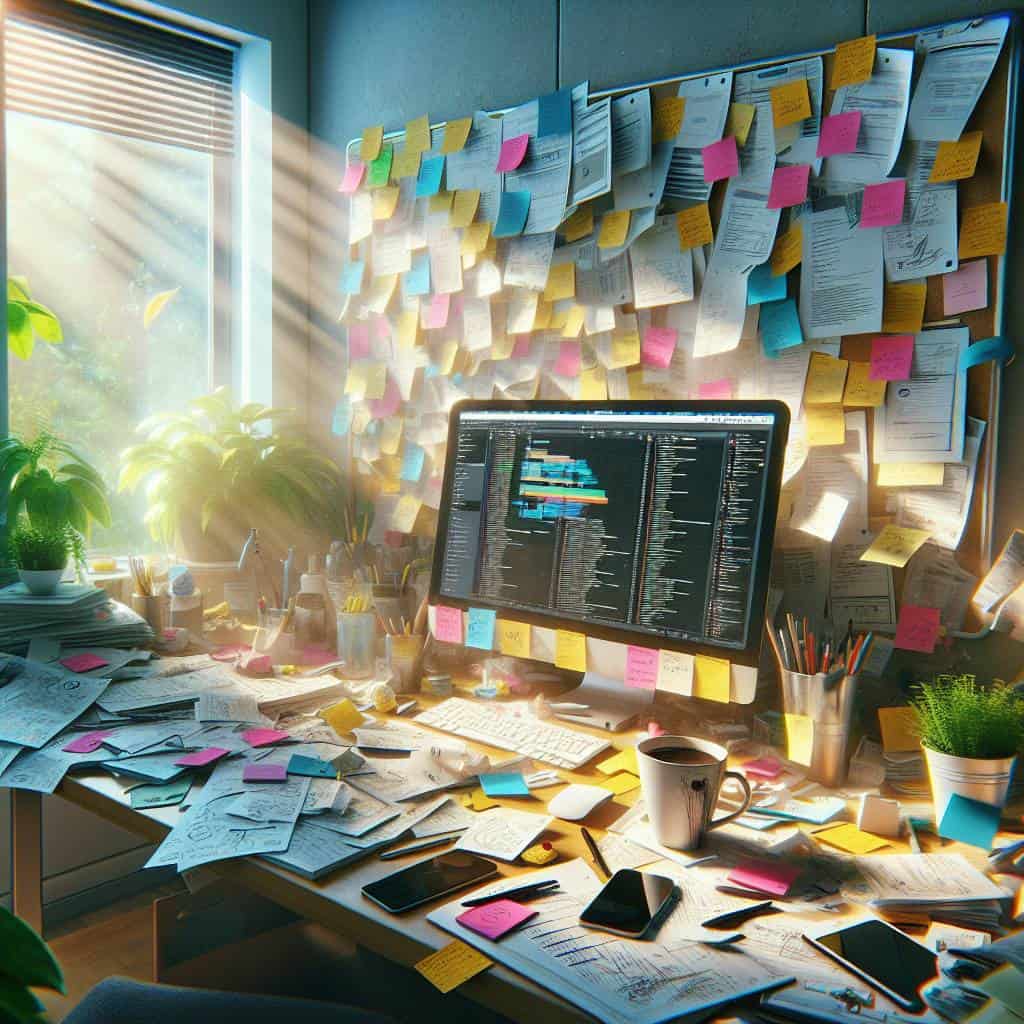
Ever tried juggling flaming torches while riding a unicycle? That’s how I felt when I first dipped my toes into podcasting. Armed with a cheap mic and a laptop that wheezed louder than I spoke, I thought, “How hard could it be?” Spoiler alert: very. Nobody tells you that editing audio is like trying to find a needle in a haystack when you’re partially blindfolded. Or that choosing recording software is akin to navigating a minefield of subscription traps and bloated features you’ll never use. But hey, if you’re anything like me—stubbornly undeterred by chaos—you might just enjoy this wild ride.
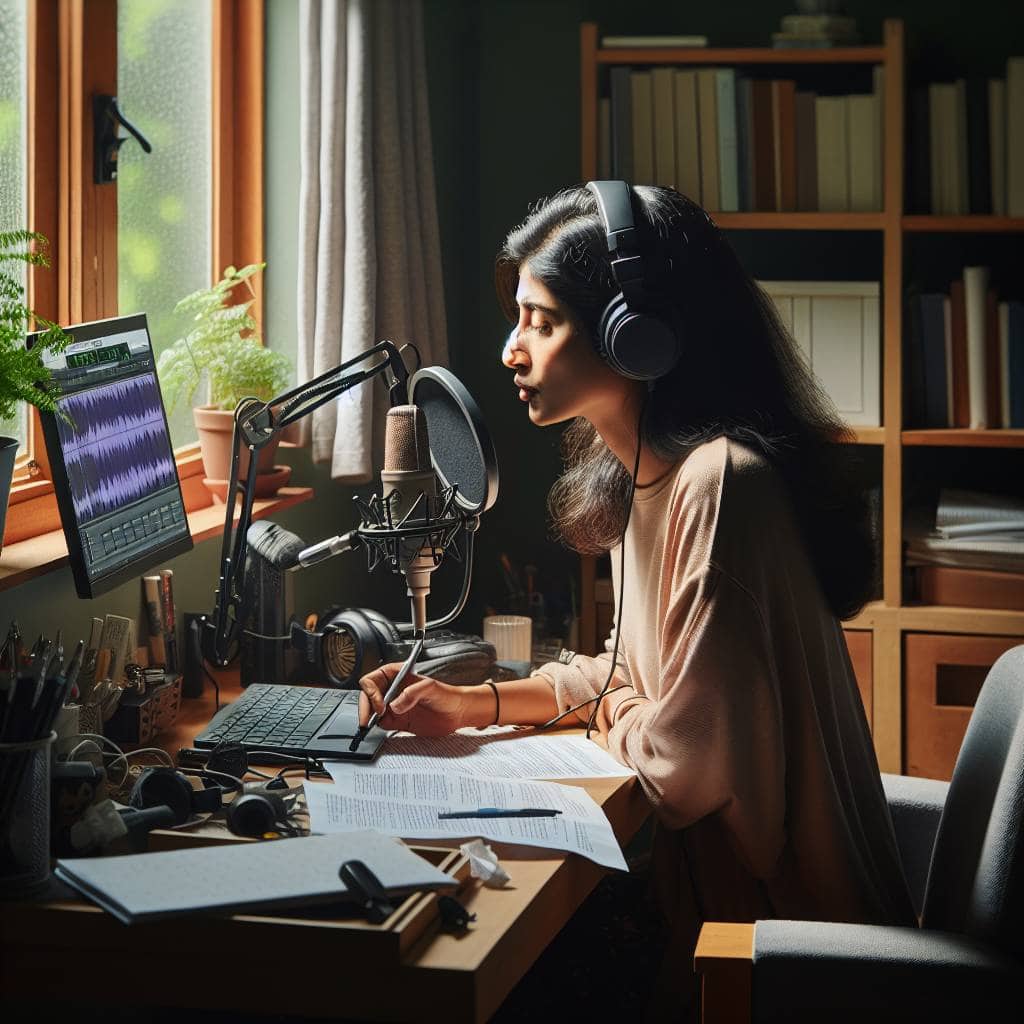
So, you’re ready to embrace the madness and start your own podcast. Good. I’m here to cut through the nonsense and give you a roadmap that actually makes sense. We’ll talk about the stuff that matters: equipment that won’t bankrupt you, software that does what you need without the headaches, and the nuts and bolts of recording and editing. Not forgetting the final steps—launching and marketing your podcast so it doesn’t just gather digital dust. Stick around, and we’ll navigate this circus together.
Table of Contents
The Day I Realized My Laptop Mic Wasn’t Enough: A Humbling Dive into Equipment Madness
There I was, just a guy with a laptop, a dream, and a microphone that could barely pick up the sound of my own voice. I thought I could skate by with the bare minimum—after all, who needed fancy gear when you had passion, right? Wrong. Dead wrong. My first recording was an exercise in frustration, a cacophony of muffled sounds and echoes that made me question every life choice leading up to this moment. That’s the day I realized my laptop mic wasn’t cutting it. It was like trying to capture a symphony with a tin can on a string.
Welcome to the world of podcasting, where you can hemorrhage cash on gear faster than you can say “pop filter.” I dove headfirst into the equipment rabbit hole, and it was nothing short of madness. Condenser mics, dynamic mics, audio interfaces—each promising to transform my dulcet tones into auditory gold. But here’s the rub: you need the right tools for the job. A decent mic isn’t just a luxury; it’s a necessity if you want your audience to actually hear—and understand—what you’re saying. I learned this the hard way, but once I swapped out that sorry excuse for a mic, the clarity was like night and day. It’s not about going broke; it’s about investing in the essentials to avoid sounding like you’re broadcasting from the bottom of a well.
The No-Nonsense Podcast Path
Forget the shiny gear and endless tutorials. Real podcasting starts when you hit record, mess up, edit, and repeat until your story’s out there.
The Brutal Truth About Podcasting
After all the hours spent wrestling with gear and software that seemed like it was designed to test my patience more than anything else, I’ve come to a stark realization. The podcasting world is a jungle. And like any good jungle trek, it’s equal parts thrilling and perilous. One minute you’re on top of the world, editing a perfect take, and the next, your software crashes just as you’re about to hit ‘save’. It’s a grind that demands more than just enthusiasm—it requires persistence, a knack for problem-solving, and, frankly, a willingness to laugh in the face of chaos.
But here’s the kicker: despite the headaches and the occasional urge to throw my laptop out the window, I’ve found something surprisingly rewarding in this chaotic process. Each episode is a testament to overcoming the madness, a victory over the quirks of technology, and a nod to the magic that happens when everything finally clicks into place. It’s not about flashy launches or marketing tricks; it’s about the thrill of creation and the satisfaction of sharing something raw and real with the world. So, if you’re diving into this podcasting game, brace yourself. It’s a ride—messy, unpredictable, and utterly worth it.