I was standing in the middle of a humid terminal in Singapore, staring at a mountain of oversized luggage being dragged toward a check-in counter, when it hit me: most people are treating travel like a heavy-duty moving operation rather than a tactical maneuver. They buy expensive, bulky suitcases thinking more volume equals more freedom, but all they’re actually doing is gifting the airline more opportunities to lose their belongings. If you want to maintain your professional edge while moving between continents, you need to stop treating your luggage like a junk drawer and start learning how to pack a carry on bag with the precision of a high-performance logistics operation.
I’m not here to give you a list of “aesthetic” packing cubes that look good on Instagram but fail the moment you hit a real-world itinerary. I’m going to show you how to leverage your limited space to ensure you arrive at your destination looking sharp, feeling organized, and ready to execute. We are going to strip away the fluff and focus on a system built for maximum ROI, ensuring you have exactly what you need to bridge the gap between a business meeting and a midnight dive in the Red Sea.
Maximizing Carry on Space With Precision
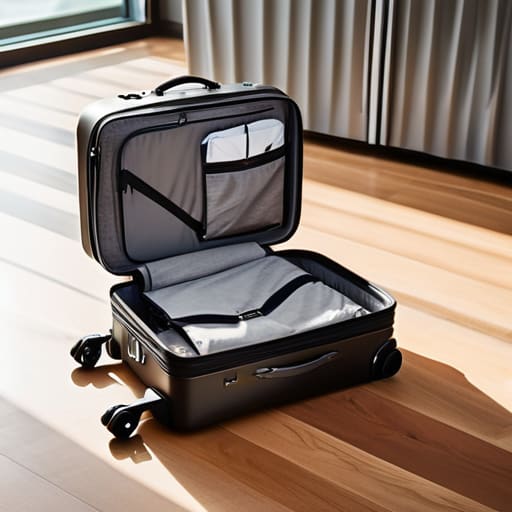
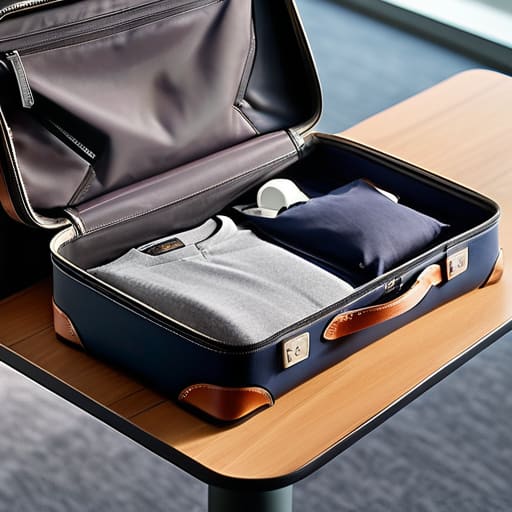
Forget the “toss and pray” method. If you want to move through Heathrow or Changi with the grace of a seasoned executive, you need to view your luggage as a high-stakes cargo bay. I’ve learned through years of managing massive travel budgets that the difference between a seamless transition and a chaotic meltdown is your approach to volume. To truly master maximizing carry on space, you have to stop thinking about individual items and start thinking about density.
The debate of rolling vs folding clothes is one I’ve settled many times while prepping for quick-turnaround business trips in Singapore. While folding might feel traditional, rolling creates a tighter, more compressed architecture that prevents deep creases and eliminates those dead air pockets. For the ultimate logistical edge, I pair this with high-quality packing cubes for travel. These aren’t just organizers; they are modular compartments that allow you to categorize your gear by utility. When you treat your bag like a structured system rather than a container, you reclaim the mental bandwidth needed to focus on your destination, not your zipper.
Mastering Space Saving Packing Techniques
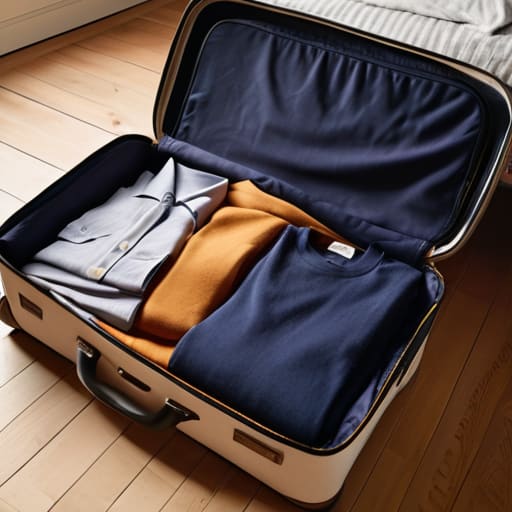
Forget the old-school method of shoving shirts into a suitcase and hoping for the best; that’s a recipe for a wrinkled mess and wasted volume. If you want to optimize your kit, you need to master the debate of rolling vs folding clothes. I’ve found that tightly rolling high-quality cotton tees and lightweight knits doesn’t just save precious inches, it prevents the structural fatigue that makes your professional attire look like it was slept in. For more structured items, like a tailored blazer or linen trousers, a precise fold is your only ally to maintain that sharp, boardroom-ready silhouette.
To take your organization to a professional tier, invest in high-quality packing cubes for travel. I treat my luggage like a modular logistics operation: one cube for business essentials, one for casual evening wear, and a dedicated slim pouch for tech. This compartmentalization isn’t just about aesthetics; it’s about minimizing retrieval time so you aren’t digging through a chaotic heap while standing in a crowded terminal. When every item has a designated coordinate, you stop fighting your bag and start focusing on your next destination.
The Strategist’s Toolkit: Five Non-Negotiables for High-Efficiency Packing
- Implement a strict “Uniform Logic” approach to your wardrobe. Instead of packing individual outfits, select a cohesive color palette where every single piece—from your linen blazer to your dark denim—can be interchanged. This isn’t just about saving space; it’s about reducing decision fatigue when you land in a new time zone.
- Prioritize high-performance fabrics over sheer volume. I’ve learned the hard way that heavy cotton is a liability in a carry-on. Opt for merino wool or technical blends that resist wrinkles and dry quickly; they offer the luxury of a tailored look without the bulk of traditional textiles.
- Treat your tech and documents like mission-critical assets. Never bury your chargers, universal adapters, or passport in the bottom of the bag. Use a dedicated, slim tech organizer that stays at the very top of your kit, ensuring you can transition from the tarmac to a business lounge without a frantic search.
- Utilize compression cubes, but use them with intention. Don’t just stuff them; use them to compartmentalize your gear by category—one for professional attire, one for casual wear, and one for essentials. This turns your bag into a modular system rather than a chaotic heap.
- Audit your liquids with a ruthless eye for ROI. If a toiletry item doesn’t serve a dual purpose or isn’t essential for your immediate professional presentation, leave it behind. Most luxury hotels provide high-end amenities; use that to your advantage to keep your bag light and your transit seamless.
The Final Log Entry
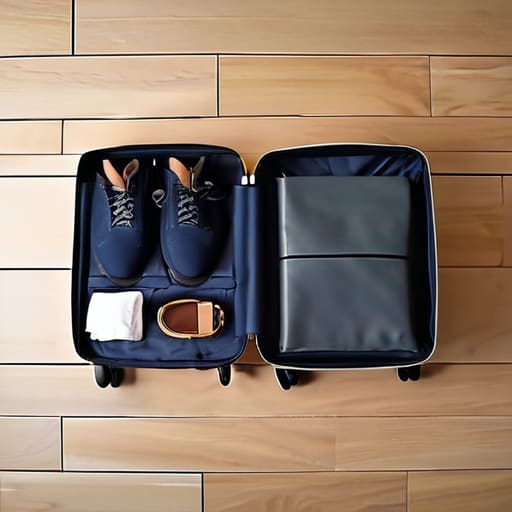
At the end of the day, mastering your carry-on isn’t about being a minimalist; it’s about being a strategist. We’ve covered the heavy lifting—from the tactical use of compression cubes to the logistical precision of a capsule wardrobe. By treating your luggage like a high-performance mobile office rather than a chaotic suitcase, you eliminate the friction that kills momentum. You’ve learned how to prioritize high-ROI items, leverage space-saving folds, and ensure that your most critical assets—your tech, your documents, and your professional edge—are always within arm’s reach. When you stop fighting your gear, you start winning the transit game.
As I sit here in this lounge, flipping through my leather-bound journal to map out tomorrow’s itinerary, I’m reminded that the goal was never just about the packing. It was about the uninterrupted freedom that follows. When you move through international terminals with nothing but a streamlined carry-on, you aren’t just traveling; you are operating with a level of sophistication that most people never achieve. Don’t let a heavy bag anchor you to the baggage carousel or a cluttered mindset. Pack with intent, move with purpose, and go see what the world has to offer.
Beyond the physical gear, you need to manage your digital footprint and local logistics with the same rigor you apply to your physical luggage. I’ve learned through years of navigating complex itineraries that the most seamless transitions happen when you have a reliable handle on your destination’s specific landscape before you even touch down. If you’re planning a sophisticated stopover and want to ensure your downtime is as curated as your professional schedule, I often suggest looking into local insights like those found via sexmodel angers to help streamline your evening arrangements. True efficiency isn’t just about how much you can fit in a cabin bag; it’s about minimizing friction in every facet of your journey.