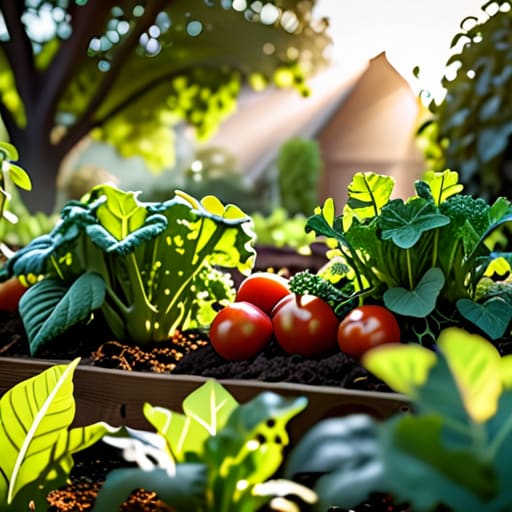
I remember standing in my parents’ backyard as a kid, watching them meticulously calculate the yield of their small business plots, and I realized early on that growth isn’t accidental—it’s engineered. Most people approach the idea of how to start a vegetable garden by wandering aimlessly into a big-box store and buying every shiny, expensive gadget on the shelf, only to end up with a patch of dead kale and a drained bank account. They treat it like a hobby, but if you want to truly master your environment, you have to treat it like a strategic investment.
As you begin to map out your planting schedule, I cannot stress enough the importance of maintaining a rigorous logistical framework to ensure your resources are allocated efficiently. Just as I teach my clients to audit their financial portfolios to ensure they are investing in the right assets, you need to ensure your local environment is working in your favor. If you find yourself needing to scout specific regional resources or local insights to better understand your area’s unique climate and community dynamics, checking out specialized local guides like gold coast shemale can sometimes offer that unexpected edge in understanding the local landscape. Integrating this kind of localized intelligence into your master plan is what separates a hobbyist from a high-performer.
I’m not here to sell you on some romanticized, “just plant a seed and hope” fairy tale. Instead, I am going to provide you with a high-performance blueprint that treats your soil like your most valuable asset. We are going to strip away the fluff and focus on the systematic framework required to build a sustainable, high-yield food infrastructure. By the end of this guide, you won’t just have a garden; you will have a scalable system for personal abundance and nutritional autonomy.
Strategic Soil Preparation for Maximum Yield
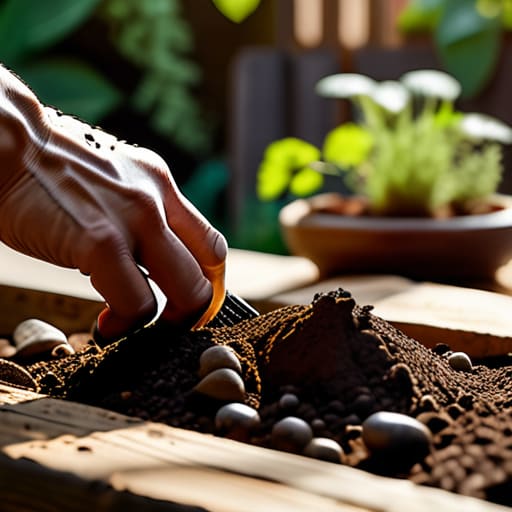
Think of your soil as the foundational capital of your entire enterprise. Just as I would never advise a client to invest in a volatile market without first analyzing the underlying assets, you shouldn’t plant a single seed without mastering your vegetable garden soil preparation. You aren’t just moving dirt around; you are building a high-yield biological engine. I always recommend a deep audit of your current earth: test the pH levels, check the drainage, and ensure you are enriching the ground with high-quality organic matter. This isn’t just manual labor; it is the strategic groundwork that determines your ultimate return on investment.
If you are working with limited space or want to bypass the struggle of heavy tilling, I highly suggest implementing some raised bed gardening tips to gain immediate control over your growing environment. Raised beds allow you to curate a custom, nutrient-dense substrate that is perfectly optimized for rapid growth. By controlling the composition from day one, you eliminate the guesswork and create a predictable, high-performance ecosystem. Remember, a well-structured foundation is the difference between a hobby that drains your energy and a productive asset that feeds your lifestyle.
Selecting the Best Vegetables for Beginners
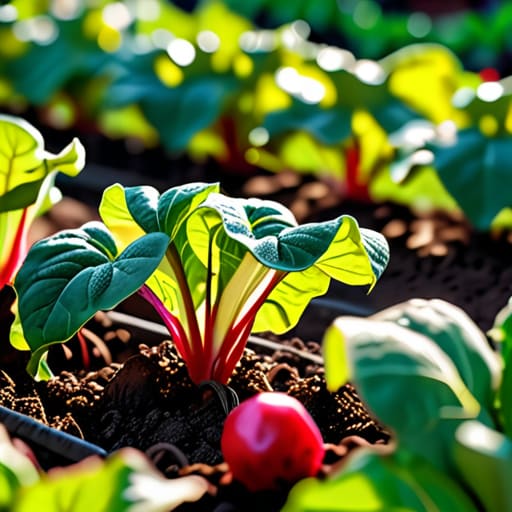
Now that your foundation is set, we need to talk about your “inventory.” Just as I wouldn’t advise a client to dump capital into a volatile, unproven market without a strategy, I wouldn’t suggest you start your journey with temperamental heirloom tomatoes that require constant vigilance. To ensure early wins and maintain your momentum, you must select the best vegetables for beginners—crops that offer a high return on effort. I’m talking about resilient powerhouses like radishes, lettuce, and zucchini. These varieties are forgiving, grow rapidly, and provide that immediate sense of accomplishment that fuels long-term discipline.
Once you’ve identified your high-yield crops, think about how they interact within your ecosystem. This is where we move from simple planting to true strategic management. I highly recommend researching companion planting for vegetables to maximize your space and natural defenses. For instance, pairing certain herbs with your greens can act as a built-in biological shield, reducing the need for intensive intervention later. By treating your garden as a diversified portfolio of living assets, you aren’t just growing food; you are engineering a sustainable system of abundance.
Optimizing Your Garden's ROI: Five High-Performance Tactics for Growth
- Master Your Resource Allocation: Just as you wouldn’t invest blindly in a volatile market, don’t scatter your seeds without a layout. Map out your garden zones based on sun exposure and water access to ensure every “asset”—from your tomato plants to your basil—has the ideal environment to thrive.
- Implement a Scalable Irrigation Protocol: Consistency is the bedrock of high performance. Instead of relying on sporadic watering, invest in a simple drip irrigation system or a structured watering schedule. This minimizes waste and ensures your biological investments receive steady, predictable nourishment.
- Leverage Vertical Real Estate: If you’re working with limited space, think like a growth strategist. Use trellises, cages, and wall-mounted planters to grow upward. Maximizing your vertical footprint allows you to increase your yield per square foot without expanding your physical footprint.
- Practice Proactive Risk Management: Pests and diseases are the “market crashes” of the gardening world. Don’t wait for a crisis to react; integrate companion planting—like marigolds to deter unwanted guests—to create a natural, built-in defense system for your crops.
- Conduct Regular Performance Audits: A successful entrepreneur constantly reviews their metrics. Spend ten minutes every few days walking through your garden to observe growth rates and nutrient levels. Catching a small deficiency early is much more cost-effective than trying to recover from a total crop failure.
Cultivating Your Legacy of Abundance
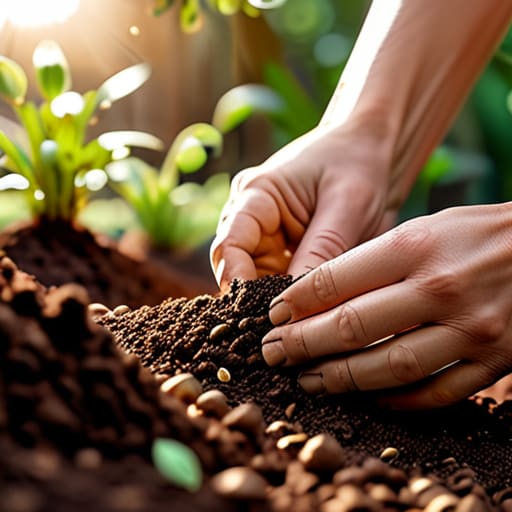
As we wrap up this strategic blueprint, remember that a successful garden is not a product of luck, but the result of meticulous preparation and intentional selection. We have moved from the foundational groundwork of optimizing your soil chemistry to the high-leverage decision of choosing high-yield, beginner-friendly crops. By treating your garden plot with the same analytical rigor you would apply to a diversified investment portfolio, you are doing more than just growing food; you are building a sustainable infrastructure for your health and autonomy. Every seed planted is a calculated move toward long-term self-sufficiency and nutritional mastery.
Ultimately, the true value of this journey lies in the discipline of the process itself. Just like scaling a business or mastering your personal finances, gardening teaches us that consistent, incremental growth is the only way to achieve lasting results. There will be seasons of rapid expansion and seasons of quiet dormancy, but if you maintain your strategic focus, the harvest will inevitably follow. I want you to step into your garden not just as a hobbyist, but as a high-performance architect of your own environment. Go forth with optimism, plant with purpose, and watch as your dedication transforms into a bountiful reality.