Have you ever felt like you’re throwing money down a drain every time you walk into a boutique nursery? I see it all the time: people buying expensive, temperamental tropicals because they look great on Instagram, only to watch them wither away two weeks later. Most advice out there treats gardening like a mystical art form, but I’m here to tell you that most “expert” tips are just overpriced fluff. If you’re looking for a beginner guide to indoor plant care that actually works, you don’t need a green thumb or a degree in botany; you need a strategic framework that treats your plants like the living assets they are.
I’m not going to waste your time with vague suggestions like “give them some love” or “keep them happy.” Instead, I’m going to provide you with a high-performance blueprint rooted in disciplined systems and environmental management. We are going to strip away the guesswork and focus on the core metrics of light, hydration, and soil integrity. My goal is to move you past the cycle of trial and error so you can build a thriving indoor ecosystem with absolute clarity and confidence.
Selecting High Performance Assets Best Plants for Beginners
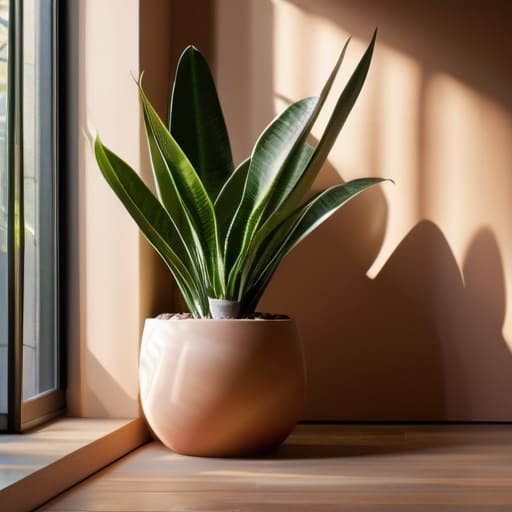
When you’re starting a new venture—whether it’s a startup or a home garden—you don’t begin with high-risk, volatile assets. You start with stability. In the world of greenery, I view your first few purchases as your foundational portfolio. You want plants that offer a high return on investment with minimal management overhead. This is why I always recommend starting with low light indoor plants like the Snake Plant or the ZZ Plant. These species are incredibly resilient; they forgive a missed watering session and can thrive in those dim corners of your office where most other life would struggle.
Think of these selections as your “blue-chip” greenery. They provide the structural integrity your indoor ecosystem needs while you learn to master a consistent houseplant watering schedule. As you build confidence, you can begin to experiment with more demanding varieties that require specific humidity levels or specialized nutrients. But for now, focus on building momentum with these hardy champions. By selecting the best plants for beginners, you aren’t just decorating a room; you are practicing the discipline of consistent, strategic care that will eventually allow you to manage a much more complex and vibrant indoor landscape.
Strategic Foundations Mastering Indoor Plant Soil Requirements
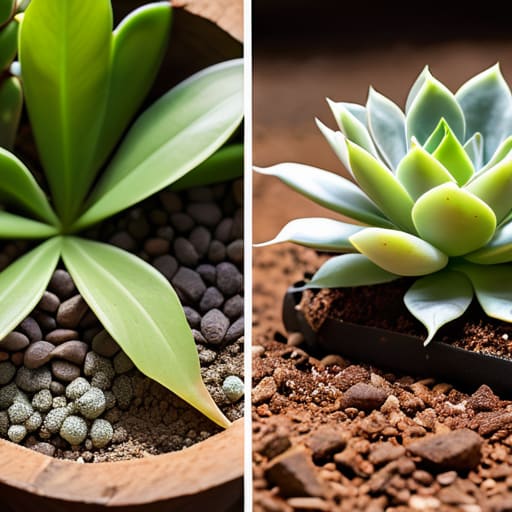
Think of your soil as the foundational capital of your indoor garden. Just as I wouldn’t advise a client to launch a massive business venture without a solid liquidity cushion, you shouldn’t expect your greenery to thrive in a generic, one-size-fits-all medium. Understanding specific indoor plant soil requirements is the difference between a sustainable ecosystem and a high-risk gamble. For instance, succulents require a fast-draining, gritty substrate to prevent root rot, whereas tropical varieties crave a moisture-retentive mix that mimics a forest floor.
If you ignore these structural details, you’re essentially setting yourself up for a deficit. Poorly aerated soil can lead to compaction, which suffocates the roots and leaves your plants vulnerable to common houseplant pests and remedies becoming a recurring headache rather than a one-time fix. I always tell my coaching clients: invest in your infrastructure early. By selecting a high-quality potting mix tailored to your specific species, you are building a resilient biological asset that can better withstand fluctuations in your environment and help you achieve long-term growth.
Optimizing Your Growth Environment: 5 Strategic Protocols for Plant Success
- Implement a Rigorous Hydration Audit: Avoid the trap of “scheduled” watering, which often leads to over-investment and root rot. Instead, treat your plants like a volatile market—check the moisture levels manually with your finger to ensure you are only deploying resources when the asset actually requires them.
- Master the Light Allocation Strategy: Not all sunlight is created equal. Just as you wouldn’t place a high-risk venture in a low-visibility environment, don’t place a sun-loving succulent in a dark corner. Map out your home’s light exposure to ensure every plant is positioned in its optimal zone for maximum ROI.
- Execute Regular Nutrient Reinvestments: Soil isn’t a permanent reservoir; it’s a depleting resource. To maintain high-performance growth, you must periodically reinvest in your plants through high-quality, balanced fertilizers, ensuring they have the “capital” needed to push out new foliage.
- Monitor for Environmental Volatility: Drastic shifts in temperature or humidity can act like sudden market crashes for your indoor ecosystem. Keep your plants away from drafty windows or direct AC vents to maintain a stable, predictable environment that fosters steady development.
- Perform Routine Asset Inspections: A quick weekly scan for pests or yellowing leaves is your early warning system. Detecting a “deficit” in health early allows you to pivot your care strategy before a minor issue turns into a total loss of your greenery.
Cultivating Your Green Legacy
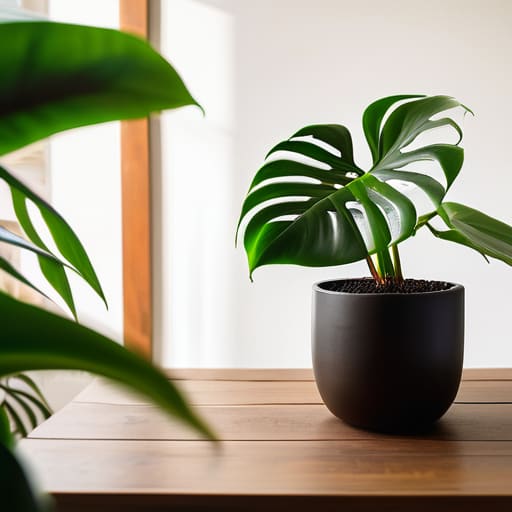
As we wrap up this strategic overview, remember that successful plant ownership is less about luck and more about disciplined systems. We have laid the groundwork by selecting high-performance assets—those resilient beginner-friendly species that offer the highest return on your time—and by establishing the critical foundation of quality soil. Just as you wouldn’t invest in a business without a solid balance sheet, you shouldn’t expect botanical success without the right medium to support growth. By mastering these core fundamentals, you aren’t just keeping a plant alive; you are building a repeatable framework for environmental success that will serve you as your indoor garden scales in complexity.
I want you to view this journey not as a chore, but as a living laboratory for your own personal development. Every new leaf is a testament to your consistency, and every setback is simply a data point for your next iteration of growth. Don’t be afraid to experiment, observe closely, and adjust your strategy as you learn the unique rhythm of your ecosystem. If you can cultivate life in your own home with patience and precision, you are training the very muscles required to achieve mastery in every other high-performance arena of your life. Now, go out there and start growing your empire, one leaf at a time.
Once you have your soil and plant selection dialed in, the next step in your growth strategy is mastering the art of environmental consistency. Just as I tell my coaching clients that a lack of routine can derail even the best financial plan, your plants need a predictable rhythm of light and hydration to truly thrive. If you find yourself craving more real-time, community-driven insights or perhaps want to connect with others who share a passion for lifestyle optimization, tapping into a local chat in Gold Coast can be an incredible way to exchange boots-on-the-ground advice and discover what works in your specific climate. Building this kind of knowledge network ensures you aren’t just guessing, but are instead making data-driven decisions for your indoor ecosystem.