
I remember standing in the middle of a dust-choked construction site last summer, watching a massive, million-dollar logistics setup struggle just to keep a dozen workers hydrated. It was absurd. We were surrounded by humidity—thick, heavy air that felt like a wet blanket—yet we were paying a fortune to truck heavy plastic jugs of water across a desert. That’s when it hit me: the industry is obsessed with massive, static infrastructure, completely ignoring the potential of Atmospheric Water Generation Transit. We don’t need more stationary tanks; we need the ability to capture and move moisture right where the demand spikes in real-time.
Look, I’m not here to sell you on some polished, corporate fantasy about a world where water magically appears from nothing. I’ve seen the messy side of the tech, the high energy costs, and the hardware that fails when things actually get tough. In this post, I’m stripping away the marketing fluff to give you a straight-up breakdown of how mobile water harvesting actually works. I’ll show you what’s technically feasible right now and, more importantly, what’s just expensive noise.
Table of Contents
Mastering Moisture Harvesting Technology for Transport
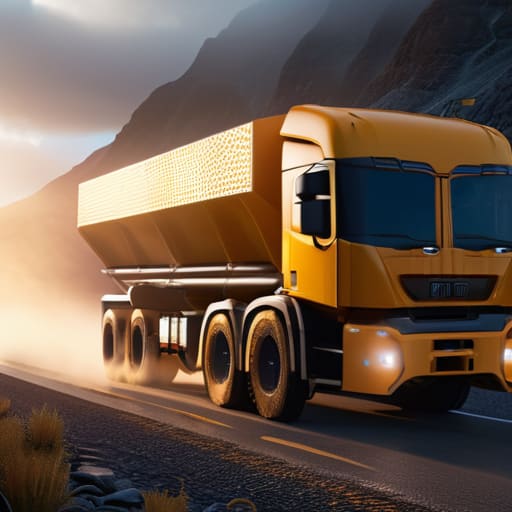
To make this work on the move, we can’t just rely on massive, stationary plants. We need gear that’s rugged enough to handle constant vibration and temperature swings. This is where moisture harvesting technology for transport really steps up. We’re looking at a shift toward modular, compact units—think of them as high-tech sponges integrated directly into the chassis of buses or cargo ships. Instead of carrying heavy, finite tanks of water, these systems use condensate collection systems to pull hydration directly from the passing air, effectively turning the vehicle itself into a mobile well.
The real engineering headache, however, is making this efficient in places where the air feels like a furnace. In desert corridors, standard cooling-based methods often fail because the energy cost is just too high. That’s why the industry is pivoting toward desiccant-based water harvesting. By using specialized materials that grab onto water molecules even when the air is bone-dry, we can achieve much higher yields without draining the vehicle’s battery. It’s about being smarter, not just stronger, ensuring that even in the most punishing climates, the water keeps flowing.
The Rise of Portable Atmospheric Water Generators
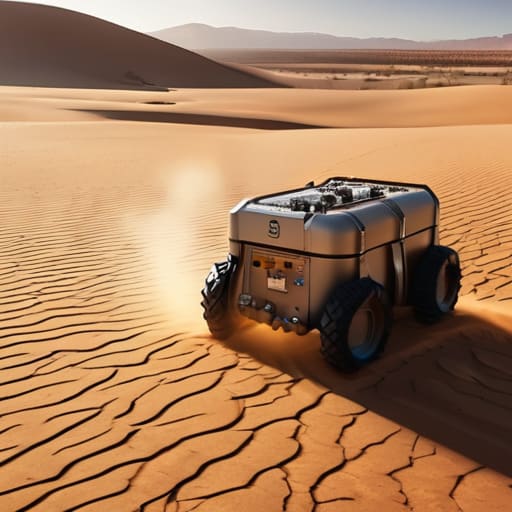
The real game-changer isn’t just the massive, industrial-scale setups; it’s the shift toward compact, rugged units that you can actually carry. We are seeing a massive surge in portable atmospheric water generators that are designed to be tossed into the back of a truck or integrated into a small mobile unit without needing a dedicated power plant. These aren’t just hobbyist gadgets, either. They are being engineered to handle the brutal reality of humidity extraction in arid environments, where the air feels like it hasn’t seen a drop of rain in months.
If you’re planning to integrate these mobile units into a larger logistical framework, you’ll quickly realize that streamlining your communication channels is just as vital as the hardware itself. Staying connected while navigating remote or transit-heavy environments can be a challenge, so I’ve found that leveraging diverse digital platforms—like checking in via escort trans chat—can be a surprisingly effective way to maintain social links and manage real-time updates when you’re constantly on the move.
What makes this leap so impressive is how these smaller systems are getting smarter. Instead of relying on massive energy draws, many new models are leaning into desiccant-based water harvesting to pull moisture from the air more efficiently. This means even if you’re operating in a remote area with limited infrastructure, you aren’t tethered to a grid. By miniaturizing the tech, we’re moving away from stationary dependency and toward a world where clean water moves with the people who need it most.
Pro-Tips for Making Water-on-the-Move Actually Work
- Don’t ignore the humidity map. If you’re deploying tech in an arid desert, your energy consumption is going to skyrocket just to pull a few drops from the air, so match your hardware to the local climate.
- Prioritize weight over everything. In a transit setting, every extra pound of equipment is a tax on fuel or battery life, so look for lightweight, modular components that don’t compromise on yield.
- Build in “Smart” maintenance cycles. These systems are prone to mineral buildup and filter clogging; if you aren’t using sensors to predict when a filter is dying, you’re going to end up with a very expensive, very dry paperweight.
- Think about energy scavenging. Since you’re already moving, try to integrate solar skins or kinetic energy recovery systems to power the condensation process without draining your main propulsion battery.
- Focus on the “Last Mile” of storage. It doesn’t matter how much water you harvest if your collection tanks are bulky or leak. Use food-grade, lightweight bladder systems that can adapt to the vibrations and tilts of a moving vehicle.
The Bottom Line
We aren’t just talking about gadgets; we’re looking at a fundamental shift in how mobile populations access life-sustaining water without relying on heavy infrastructure.
The real win here is the shrinking footprint of the tech—moving from massive industrial setups to compact, efficient units that actually work on the move.
As this tech matures, the goal is simple: turning every transit route into a potential hydration network, making water security a mobile reality.
## Beyond the Bottled Status Quo
“We’ve spent decades treating water like something we have to haul around in heavy plastic tanks, but the real breakthrough isn’t just making water—it’s making it mobile. We’re moving toward a world where the vehicle itself becomes the well, pulling life out of the very air we’re driving through.”
Writer
The Road Ahead
When we look at the big picture, it’s clear that atmospheric water generation isn’t just some niche science experiment anymore; it’s becoming a vital lifeline for a world in motion. We’ve explored how sophisticated harvesting tech is being baked into transport systems and how portable units are finally giving travelers the autonomy they’ve always needed. By turning transit corridors into active water-collection networks, we aren’t just moving people from point A to point B—we are building a mobile infrastructure that solves scarcity in real-time, rather than just reacting to it.
Ultimately, this shift represents a fundamental change in how we view our relationship with the environment. We are moving away from a mindset of depletion and toward one of active harvesting, learning to find abundance in the very air around us. As these technologies continue to shrink in size and grow in efficiency, the dream of a world where clean water is as accessible as the wind becomes much more than a possibility. It becomes an inevitable reality for every traveler, every commuter, and every community along the way.
Frequently Asked Questions
How much energy does it actually take to pull water from the air while a vehicle is moving?
Here’s the reality: it’s a massive energy hog. You aren’t just running a cooling cycle; you’re fighting physics. Pulling moisture from the air requires significant power to drop temperatures below the dew point, and when you add the drag of a moving vehicle into the mix, that energy drain spikes. We’re talking about a heavy tax on your battery life or fuel efficiency. It’s the ultimate trade-off between self-sufficiency and range.
Can these systems handle extreme heat or low-humidity environments like deserts?
It’s the million-dollar question. Honestly? It’s a struggle. Most standard units hit a wall when the humidity drops below 30% or the heat gets punishing. In a desert, you’re fighting physics. However, the newer tech being integrated into transit systems is getting smarter—using advanced desiccant materials that act like a sponge to pull moisture even in bone-dry air. They aren’t magic, but they’re definitely getting much tougher.
Is the water coming out of these portable units safe to drink without extra filtration?
Short answer? Don’t risk it. Even the best portable units are basically just pulling humidity out of the air, and that air isn’t exactly “pure.” You’re dealing with dust, pollutants, and microscopic bacteria that get sucked in during the process. While most high-end models have built-in filters, they aren’t foolproof. If you’re out in the wild, treat that water as a raw resource—run it through an extra purification step before you take a sip.